
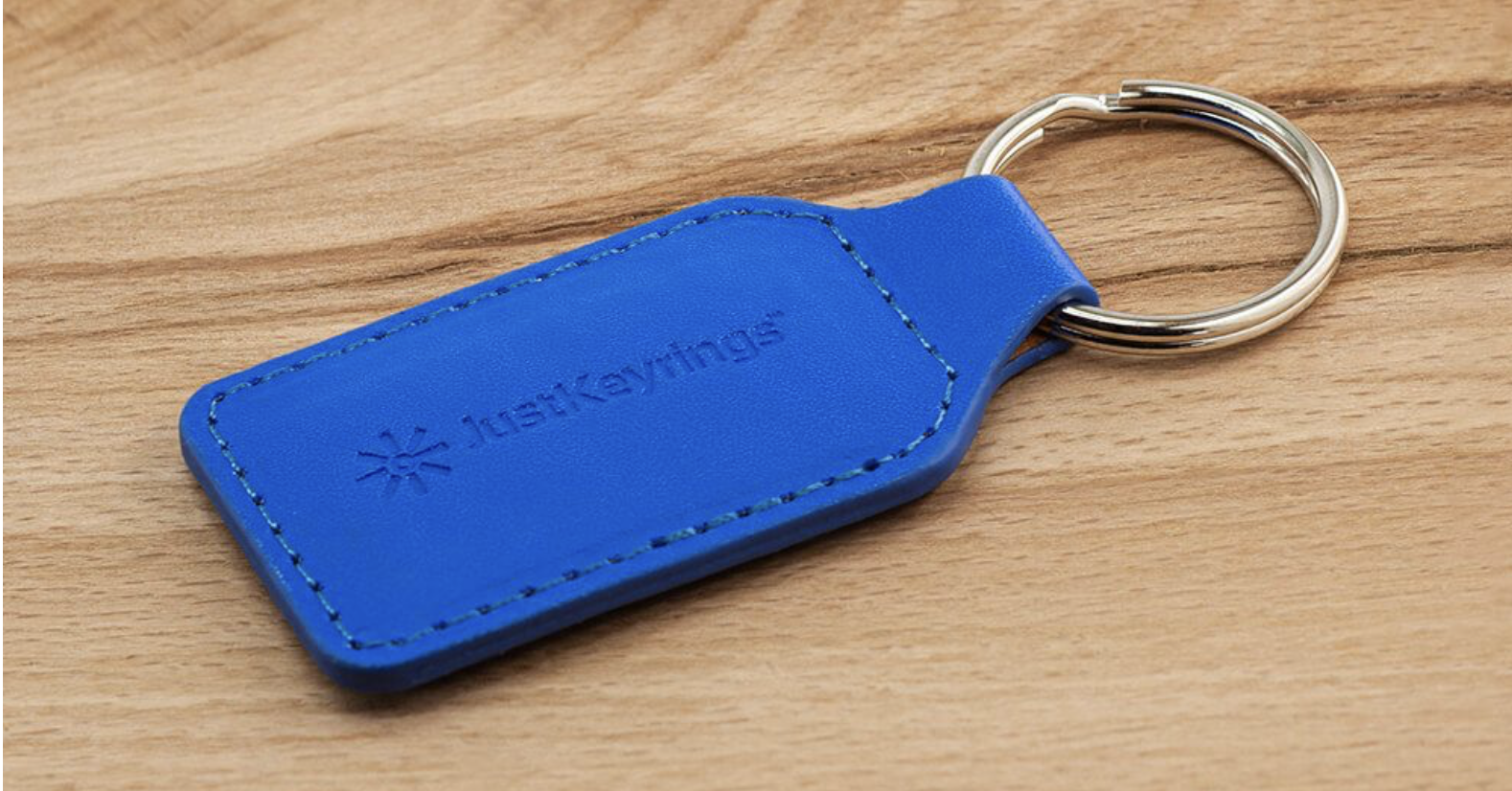
In the world of fashion and manufacturing, the debate between PU (polyurethane) leather and real leather is ongoing. Both materials have their advantages and drawbacks, especially when it comes to sustainability, ethics, and manufacturing processes.
This article delves deep into the materials and methods used in producing PU leather and real leather, examining their environmental impact, ethical considerations, and the sustainability of each option.
Post Contents [hide]
What is PU Leather?
PU leather, or polyurethane leather, is a type of synthetic leather made by coating a base fabric—typically polyester or cotton—with a layer of polyurethane. It is designed to mimic the look and feel of real leather without using animal products.
Manufacturing Process of PU Leather
The production of PU leather involves several steps:
- Textile Preparation: A base fabric is selected, often polyester or cotton, for its durability and cost-effectiveness.
- Polyurethane Coating: Liquid polyurethane is applied to the fabric through a process called wet or dry coating, creating a uniform layer.
- Embossing: The coated fabric is embossed with textures to simulate the grain of real leather.
- Finishing: Additional finishes may be applied to enhance the material's appearance and durability.
Materials Used in PU Leather
- Polyurethane: A polymer composed of organic units joined by carbamate links.
- Base Fabric: Typically polyester or cotton.
- Additives: Chemicals used to achieve desired properties like flexibility, color, and texture.
What is Real Leather?
Real leather is a natural material made from the tanned hides of animals, most commonly cows. It is valued for its durability, comfort, and aesthetic appeal.
Manufacturing Process of Real Leather
The production of real leather involves several stages:
- Raw Hide Acquisition: Animal hides are obtained as by-products of the meat industry.
- Curing: Hides are treated with salt or other chemicals to prevent decomposition.
- Tanning: Hides undergo tanning using vegetable tannins or chromium salts to convert them into durable leather.
- Finishing: The leather is dyed, softened, and finished to achieve the desired look and feel.
Materials Used in Real Leather
- Animal Hides: Mostly cowhide, but also sheep, goat, and other animals.
- Tanning Agents: Vegetable tannins (e.g., from tree bark) or chromium salts.
- Finishing Chemicals: Dyes, oils, and coatings to enhance appearance and durability.
Sustainability and Environmental Impact
PU Leather
While PU leather is animal-free, it is not without environmental concerns:
- Non-Renewable Resources: Polyurethane is derived from petroleum, a non-renewable resource.
- Energy Consumption: Manufacturing PU leather is energy-intensive, contributing to greenhouse gas emissions.
- Non-Biodegradable: PU leather does not biodegrade easily, leading to long-term waste issues.
- Chemical Use: Production involves chemicals that can be harmful if not managed properly.
Real Leather
Real leather has its own environmental challenges:
- Deforestation: Livestock farming contributes to deforestation for pasture land.
- Greenhouse Gas Emissions: Cattle farming produces significant methane emissions. According to the FAO, livestock accounts for 14.5% of global greenhouse gas emissions.
- Water Usage: Tanning processes consume large amounts of water. Estimates suggest that processing one ton of hides requires about 50,000 liters of water.
- Pollution from Tanning: Chromium tanning produces hazardous waste that can contaminate water sources if not properly treated.
Manufacturing Ethics
PU Leather
Ethical considerations for PU leather include:
- Labor Conditions: Factories producing PU leather are often located in countries with lax labor laws, potentially leading to worker exploitation.
- Chemical Exposure: Workers may be exposed to harmful chemicals if proper safety measures are not in place.
Real Leather
Ethical issues surrounding real leather involve:
- Animal Welfare: Concerns about the treatment of animals in the livestock industry.
- Labor Practices: Similar to PU leather, tanning facilities may have poor working conditions.
- Health Risks: Exposure to toxic chemicals like chromium VI can pose serious health risks to workers.
Advancements and Alternatives
In response to these issues, several alternatives and advancements are emerging:
Bio-Based PU Leather
Manufacturers are developing PU leather using bio-based polyols derived from renewable resources like soybean or castor oil, reducing reliance on petroleum.
Vegetable-Tanned Leather
Using plant-based tannins reduces the environmental impact compared to chromium tanning, although it is more time-consuming and costly.
Innovative Alternatives
New materials are being explored, such as:
- Piñatex: Leather-like material made from pineapple leaf fibers.
- Mushroom Leather: Produced from mycelium, the root structure of mushrooms.
- Cactus Leather: Made from the leaves of nopal cactus, requiring minimal water to produce.
Conclusion
The choice between PU leather and real leather is complex, involving trade-offs between animal welfare, environmental impact, and sustainability. PU leather avoids animal use but relies on non-renewable resources and can contribute to pollution. Real leather utilizes a natural material but raises concerns about animal ethics, deforestation, and chemical pollution.
Advancements in manufacturing processes and the development of innovative materials offer promising alternatives. Consumers and manufacturers alike must weigh these factors to make informed decisions that align with their values and sustainability goals.
References
- Food and Agriculture Organization of the United Nations. (2013). Tackling Climate Change Through Livestock. Link